





The Importance of Air Elimination in Hydronic Heating
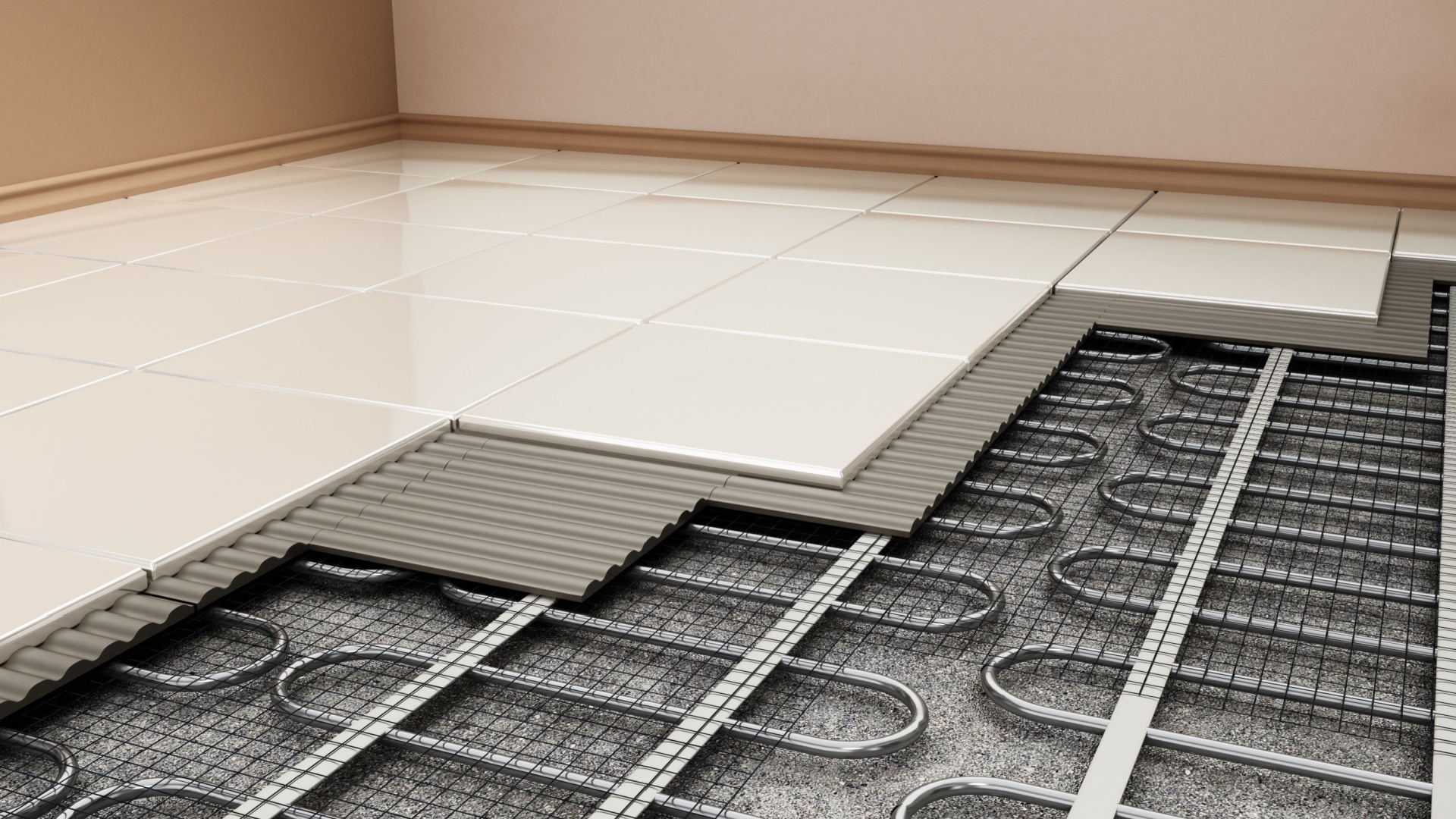
In the world of hydronic heating, few factors are as important — yet often overlooked — as air elimination. Whether you’re a homeowner looking for consistent comfort or a professional installer designing high-performing systems, understanding the role of proper air removal is essential to maximizing efficiency and extending the life of the equipment.
Why Air Creates Problems
Air is the enemy of a well-functioning hydronic system. It enters during installation, through small leaks, or from chemical reactions inside the system itself. Left unchecked, it can cause:
For homeowners: Noisy pipes, uneven heating, higher utility bills, and frustrating hot/cold spots.
For professionals: Increased callbacks, reduced system performance, premature component failure, and unhappy clients.
Corrosion from oxygen in the system is also a long-term risk, leading to costly repairs or replacements.
Tools of the Trade: How Air Elimination Works
Air separators , automatic air vents , and microbubble resorbers are the unsung heroes of hydronic design.
Installers rely on these devices to remove both large bubbles and microscopic air that can accumulate over time. Correct placement, sizing, and product choice ensure that systems run quietly and efficiently.
Homeowners benefit from peace of mind knowing their system won’t be plagued by noise, uneven heating, or costly inefficiencies.
The Payoff
Proper air elimination delivers clear benefits across the board:
For homeowners: Lower energy bills, quieter operation, consistent comfort, and longer system life.
For professionals: Fewer service issues, stronger customer satisfaction, and reputations built on quality installations.
The Metalworks Difference
At Metalworks, we support both sides of the equation. For professionals, we provide the right tools, components, and expertise to design and install air-free hydronic systems. For homeowners, we deliver installations that prioritize comfort, reliability, and long-term value.
Because in hydronics, eliminating air isn’t just a detail, it’s the difference between a system that struggles and one that excels.
Looking to optimize your hydronic heating system? Contact Metalworks today for the products, training, and service that make every project a success.
MORE ARTICLES
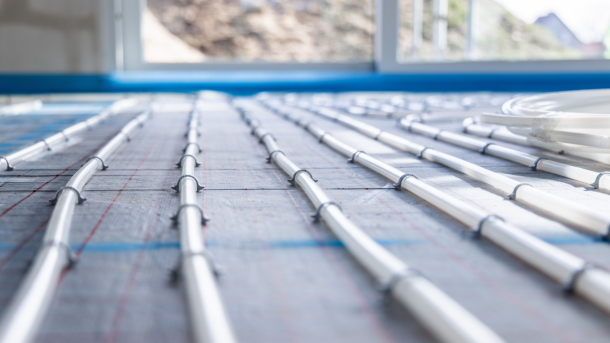
Hydronic Heating vs. Forced Air Pros and Cons for Cold Climates
Winter in a cold climate can be brutal if your heating system isn’t up to the task. That’s why choosing between hydronic (radiant) heating and forced air matters. Both can keep a house warm, but they do it very differently—and the choice can affect comfort, bills, and even air quality.
READ MORE
The Role of HVAC Systems in Indoor Air Quality: What You Need to Know
Your HVAC system does more than heat and cool—it plays a critical role in indoor air quality (IAQ). Here’s how your system affects the air you breathe, and what you can do to improve it.
READ MORE.jpg)
How Heat Pump Technology Is Influencing the Residential and Commercial Water Heater Segment
The rise of heat pump technology has been one of the biggest shifts in the HVAC industry in recent years. But its impact extends beyond space conditioning — it’s also transforming how both homeowners and businesses think about water heating.
READ MORE